ARtful Place
UI/UX and Front-end
ARtful Place
ARtful Place is a collaborative web application project that transforms digital art into immersive augmented reality experiences. Developed by a team using React and Firebase, the platform enables users to upload, visualize, and manage 2D and 3D artworks directly from their browsers removing the need for complex installations. It integrates CRUD functionality with AR rendering powered by MindAR.js and Three.js, offering real-time gallery updates and responsive design across devices. A Figma prototype guided the interface and user flow, balancing creativity with functionality. Our ongoing development focuses on refining the AR visualization layer and optimizing database performance for user uploads. Through this project, I have enhanced my collaboration, front-end development, and UX prototyping skills merging art and technology to create an accessible virtual gallery experience for artists and audiences alike.
Develop Tools & Language Programs
- • VSCode
- • Github
- • React
- • Firebase
- • Node.js
- • MindAR.js
- • Three.js
- • Javascript
Design Tools
- • Figma
- • Adobe Illustrator
My Design Process and Philosophy
Human-Computer Interaction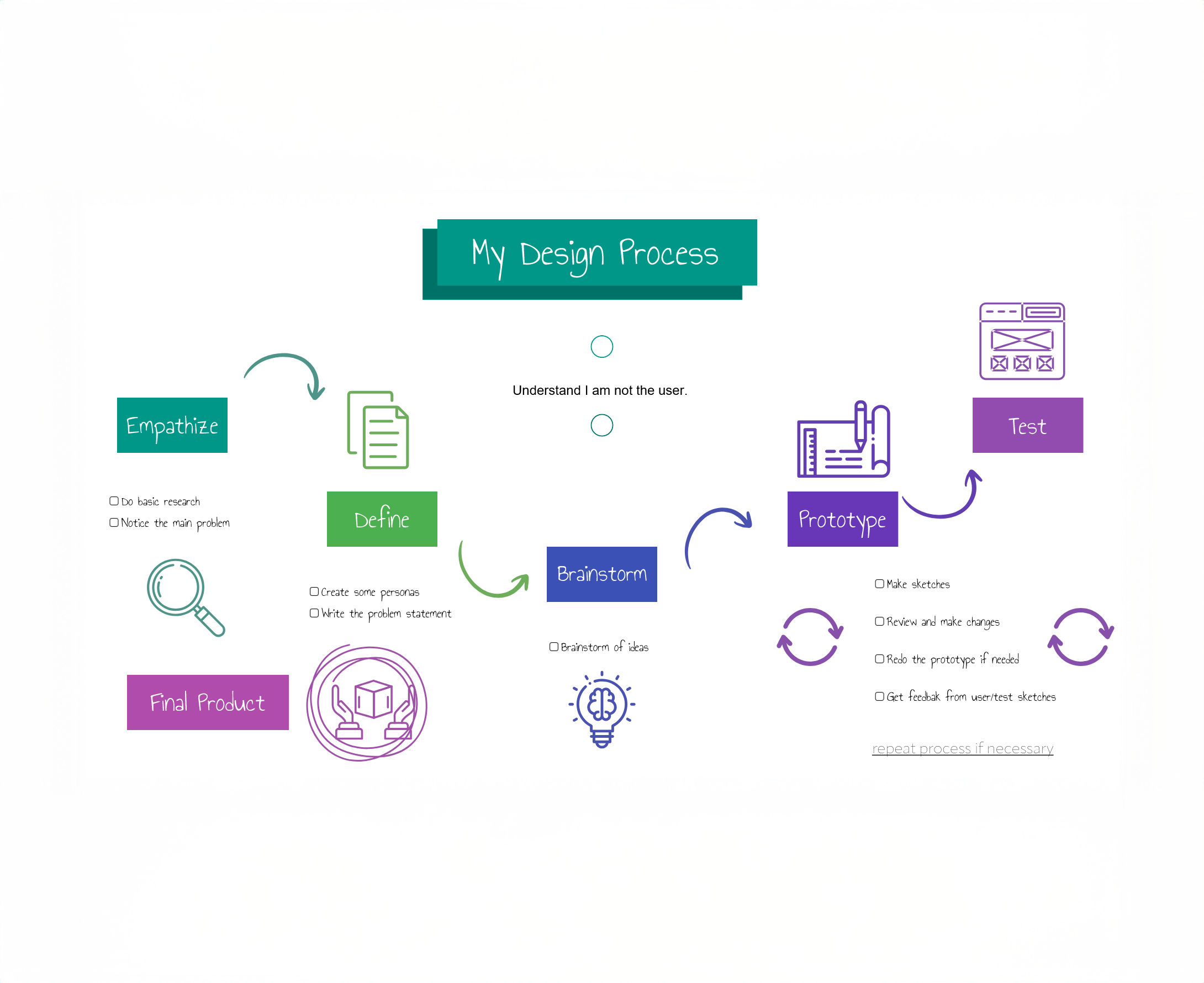
My Design Process and Philosophy
.png)
This project reflects a deep exploration of user-centered design principles and the evolution of my personal design philosophy. Developed as part of my Human-Computer Interaction coursework, it documents the methods, reflections, and readings that shaped my understanding of effective UX practice. Rooted in the guiding principle “I am not the user,” the process emphasizes empathy, observation, and iteration as key drivers of meaningful design. Through research, sketching, and prototyping, I learned to define user needs, ideate creative solutions, and refine concepts through continuous feedback. Influences from experts such as Jakob Nielsen and Donald Norman reinforced the value of designing for real behavior rather than assumptions. Using hand-drawn sketches and structured design-thinking frameworks, the project highlights how humility, flexibility, and curiosity can transform uncertainty into innovation. This work strengthened my ability to blend research, creativity, and user insight—defining a thoughtful approach to human-centered design that prioritizes understanding before execution.
Tools
- • Research
- • Analysis
- • Writing
- • Design Thinking
- • Prototyping
- • User Experience (UX)
- • Observation
Discover The Magic of Storytelling!
UI/UX and Research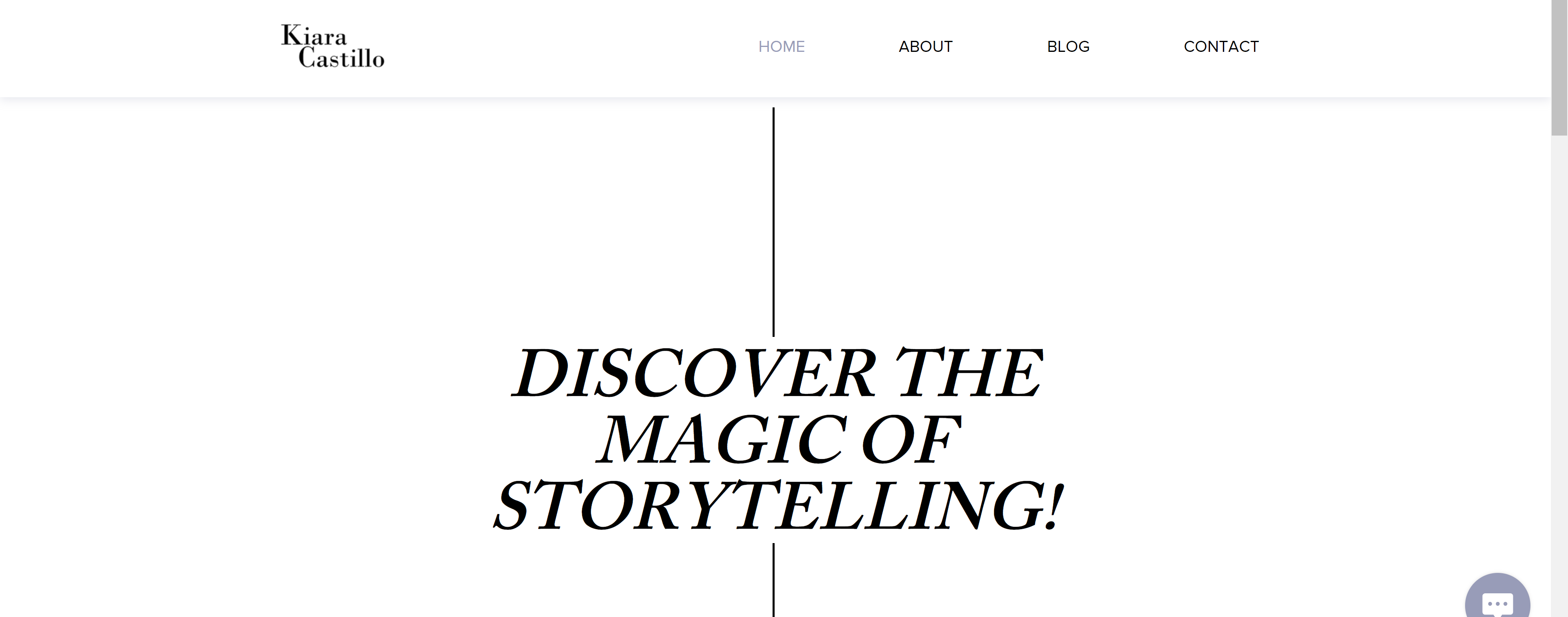
Discover The Magic of Storytelling!
This project explores the intersection of narrative design and digital communication through an analytical blog hosted on the Wix platform. The research examines how storytelling transforms websites from static displays into emotionally engaging experiences. By comparing narrative and non-narrative web structures, the study highlights how visual cohesion, layout flow, and brand voice contribute to user connection and retention. The blog integrates psychological insights into how stories evoke empathy and trust, linking design choices to measurable engagement outcomes. Using Adobe Photoshop and Illustrator for visual support, the project demonstrates the power of narrative to enhance user perception and brand identity. Through this work, I deepened my understanding of narrative-driven UX, visual hierarchy, and content strategy—illustrating how storytelling serves as both an aesthetic and functional framework for creating immersive digital experiences.
Alley Cats
Graphic Design, Game prototyping & UI/UX for Game Board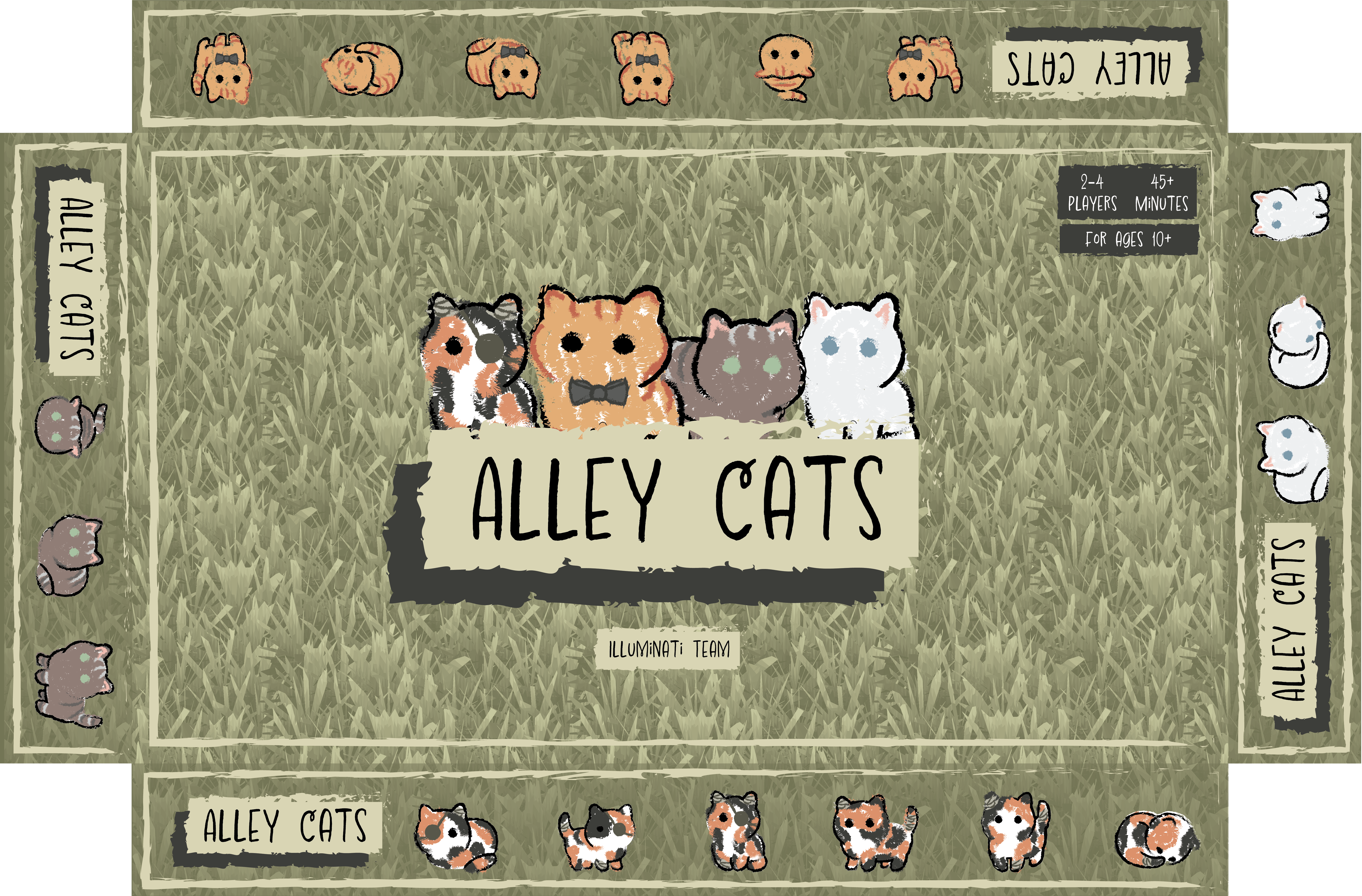
Alley Cats
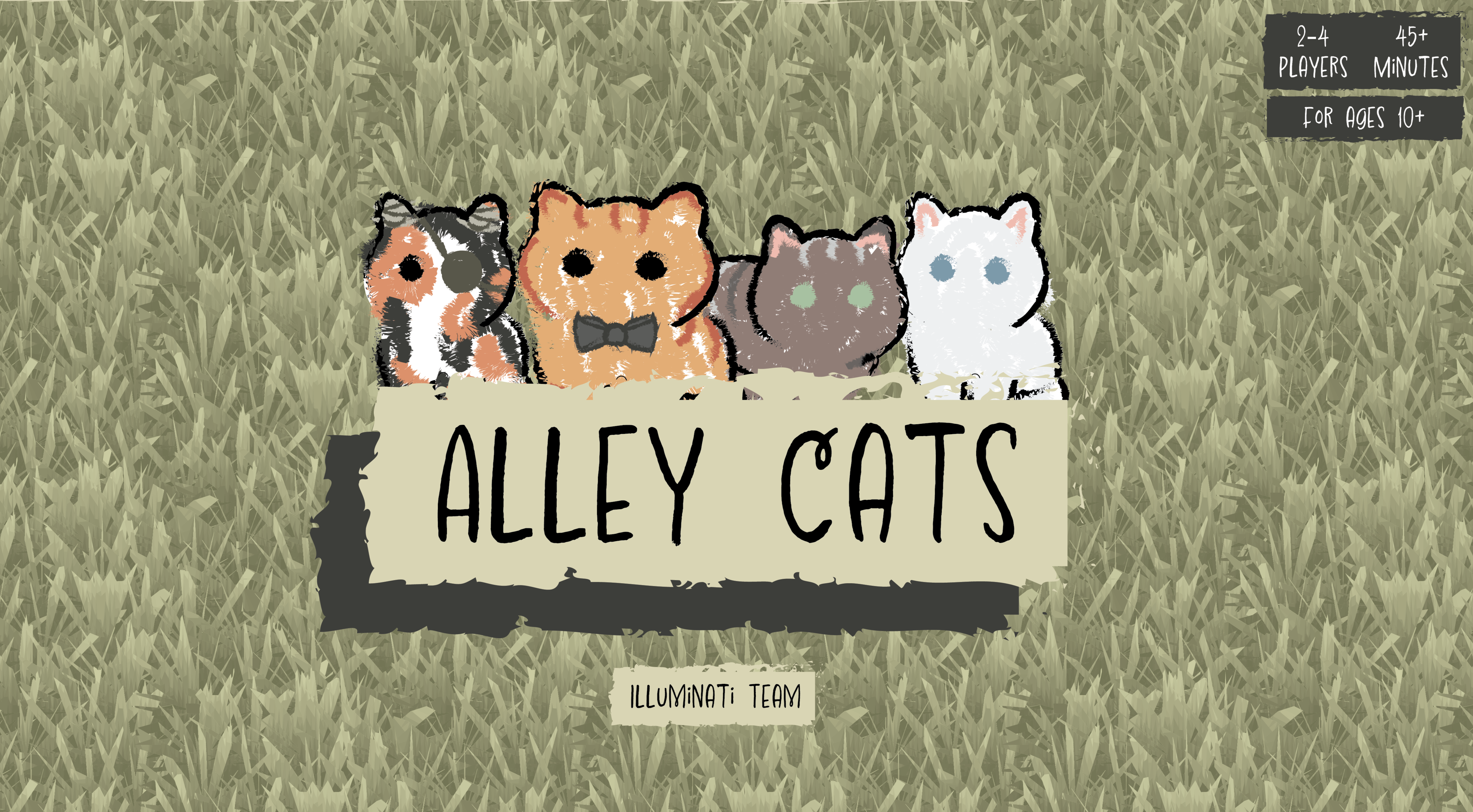
This project showcases the beta development of Alley Cats, a four-player asymmetric board game where feline factions battle for control of the city streets. Building upon the alpha version, the beta phase focused on refining the in-game economy, improving mechanics, and creating a more immersive and visually cohesive experience. I led the graphic design and visual development process using Adobe Illustrator and Photoshop, producing the board layout, card deck, box art, tokens, and rulebook design. The board underwent a full redesign, transitioning from an uneven rectangular layout to a balanced square grid that enhanced symmetry and player navigation. Visual consistency was achieved through a unified color palette and accessible iconography, ensuring clarity and aesthetic harmony. Playtesting sessions guided iterative improvements, emphasizing readability, usability, and thematic alignment. Through this project, I strengthened my skills in design iteration, visual communication, and user experience for tabletop media—balancing strategic gameplay with cohesive storytelling and engaging visual design.